Whale Watching
Humpbacks in the ʻAuʻau Channel
Several thousand humpbacks winter in the water between Maui and Lānaʻi — the channel this lanai looks out over. When they arrive, how to spot them, and how to hear them from the reef.
Several thousand humpbacks winter in the water between Maui and Lānaʻi — the channel this lanai looks out over. When they arrive, how to spot them, and how to hear them from the reef.
Every winter, several thousand North Pacific humpbacks swim roughly three thousand miles from Alaska to breed and calve in the shallow, sheltered water between Maui, Lānaʻi and Molokaʻi. The condo looks directly out over that water.
This is the one Maui activity where the location of the building genuinely changes the experience: you can watch from the lanai with coffee, and you can hear them underwater while you snorkel.
Humpbacks are in Hawaiian waters roughly from December through April, occasionally into early May. The peak — the most animals, the most surface activity — is January through March.
The Hawaiian Islands Humpback Whale National Marine Sanctuary protects this habitat, and its boundaries run along exactly the coast you are looking at.
The ʻAuʻau Channel between Maui and Lānaʻi is shallow, sheltered and one of the densest humpback breeding areas in the world. From an oceanfront lanai on this coast in February, the honest expectation on a clear morning is repeated spouts, regular tail slaps and, with some luck and patience, breaches.
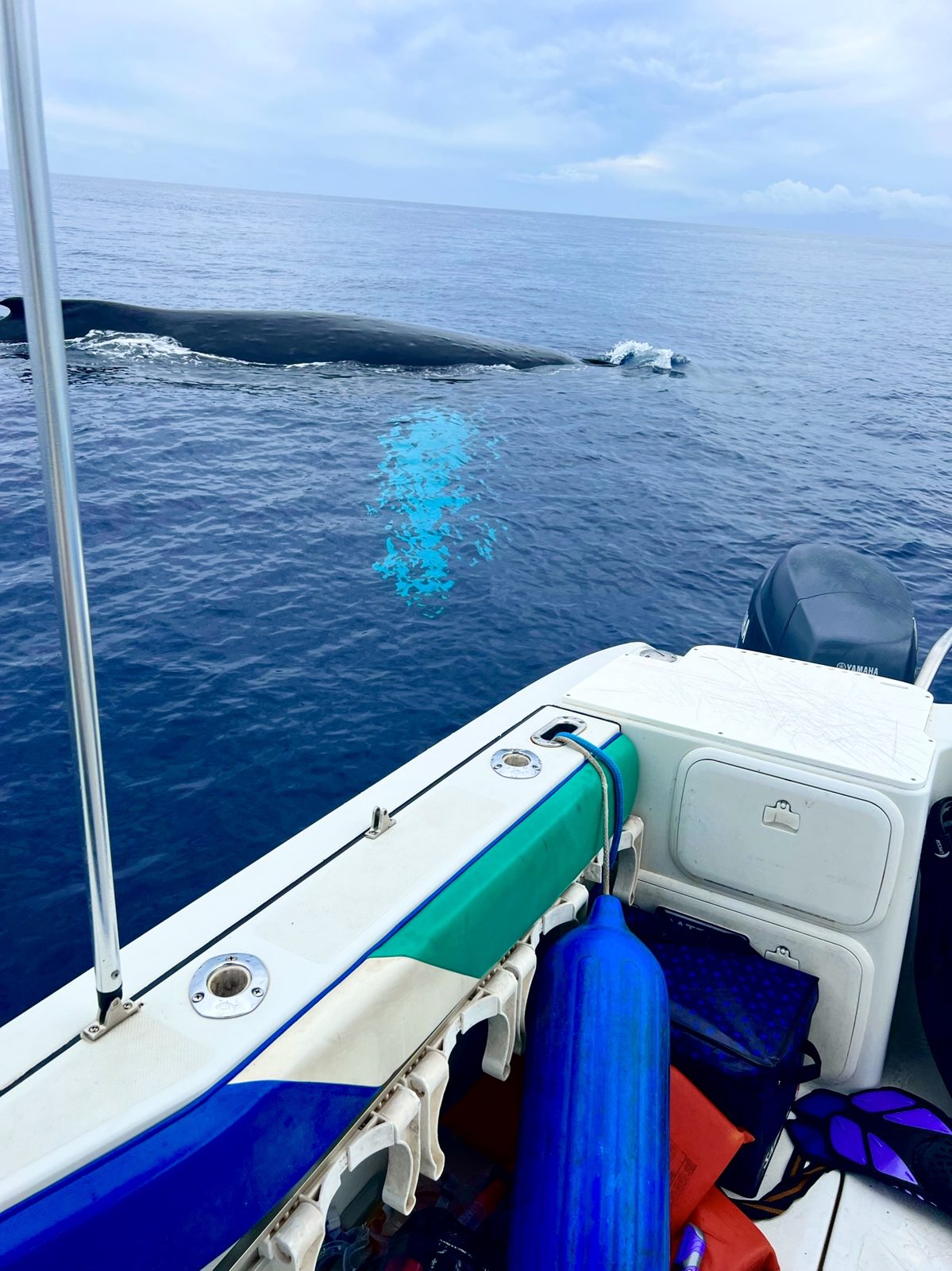
A boat gets you closer, gets you a naturalist, and usually gets you a hydrophone so you can hear the song properly. Two established operators, and the harbour matters:
Ultimate Whale Watch runs from the Mala boat ramp on the north end of Front Street in Lahaina — a ramp separate from the small-boat harbour, which is the reason they kept operating through the harbour closure. Trips run around 90 minutes to two hours with a naturalist and a hydrophone aboard, and they run a sighting guarantee.
Pacific Whale Foundation operates from Māʻalaea Harbor, about a 35 to 45 minute drive south. They are a research nonprofit as well as a tour operator, and the naturalist commentary reflects that.
A rigid-hull inflatable sits low, moves fast and puts you at eye level with the water; it is the better wildlife experience and a rougher, wetter ride. A catamaran is stable, shaded, has a bathroom and a bar, and suits families and anyone prone to seasickness. Neither is wrong — pick honestly.
Humpbacks in Hawaiʻi are federally protected. NOAA's approach rules prohibit approaching within 100 yards by vessel or swimmer, and there are additional restrictions for aircraft and drones.
This works in your favour more than it sounds. Boats cut engines and wait, and whales — particularly curious calves — frequently close the distance themselves. A good captain positions and waits rather than chasing. If your boat is chasing, that is a bad boat.